
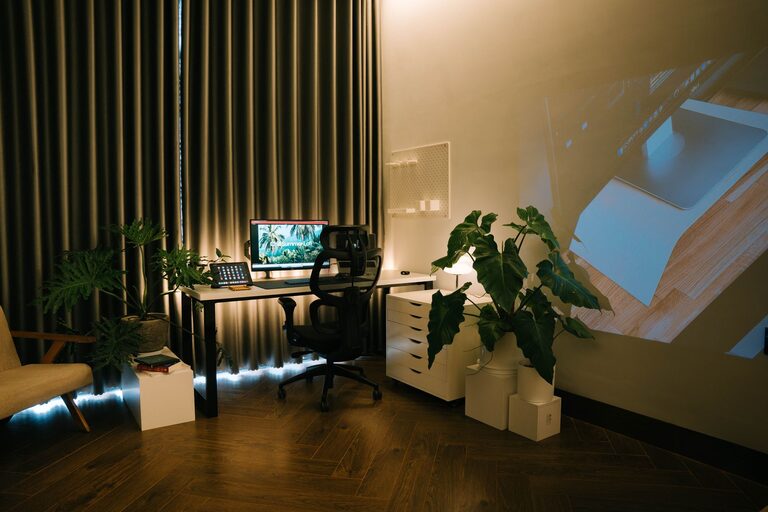
Creating a relaxing home workspace is essential for maintaining focus, reducing stress, and improving overall productivity. Whether you work remotely full time or occasionally need a quiet spot for tasks, designing an environment that feels calm and inviting can make all the difference. In this post, we’ll explore practical steps and ideas to help you set up a workspace that supports both your work and well-being.
Why a Relaxing Workspace Matters
A stressful or cluttered workspace can lead to distractions, decreased motivation, and burnout. On the other hand, a well-organized, peaceful area can promote concentration, creativity, and a positive mindset. Your workspace should be a place where you feel comfortable and energized to tackle your tasks.
Choosing the Right Location
Find a Quiet Spot
Start by choosing a location in your home that is away from heavy foot traffic and noisy areas. A quiet corner or spare room can work well. If space is limited, consider using room dividers or screens to create a sense of separation.
Consider Natural Light
Natural light has a calming effect and can help reduce eye strain. Position your desk near a window if possible, but avoid direct glare on your computer screen. If natural light is limited, invest in a good quality desk lamp with adjustable brightness and color temperature.
Setting Up Your Desk and Chair
Comfortable Seating
An ergonomic chair that supports good posture is key to avoiding discomfort and fatigue. Look for adjustable features like height, backrest angle, and lumbar support. If you don’t have an ergonomic chair, add cushions or supports where needed.
Desk Size and Layout
Choose a desk that fits your space but also has enough surface area for your computer, writing materials, and any other tools you use regularly. Keep frequently used items within easy reach to minimize stretching or interruption.
Minimizing Clutter and Organizing Supplies
Keep It Tidy
Clutter can make a space feel chaotic. Use drawers, shelves, or storage boxes to keep papers and supplies out of sight. Regularly declutter your workspace by removing items you no longer need.
Use Organizers
Desk organizers, pen holders, cable management solutions, and filing systems can keep things orderly. Label containers and files to make it easier to find what you need quickly.
Adding Calming Decorative Elements
Choose Soothing Colors
Colors like soft blues, greens, and neutrals tend to have a calming effect. You can paint your walls in these tones or add accents through artwork, cushions, or desk accessories.
Bring in Nature
Plants are a great way to add life to your workspace. They improve air quality and create a more relaxed atmosphere. Choose low-maintenance plants like succulents or snake plants if you don’t have a green thumb.
Personal Touches
Incorporate a few personal items that make you smile, such as photos, inspirational quotes, or small mementos. Just be careful not to overcrowd your workspace.
Managing Noise and Distractions
Use Noise-Cancelling Tools
If noise is unavoidable, consider noise-cancelling headphones or white noise machines to help maintain concentration.
Establish Boundaries
Communicate your work hours to family or housemates to minimize interruptions. Use a “Do Not Disturb” sign if needed.
Incorporating Break-Friendly Features
Comfortable Break Area
If space allows, have a small corner where you can stand up, stretch, or relax briefly. This might include a comfortable chair or a yoga mat.
Hydration and Snacks
Keep a water bottle nearby and healthy snacks to maintain energy levels without leaving your workspace frequently.
Enhancing Technology for Ease and Comfort
Proper Monitor Positioning
Place your monitor at eye level and about an arm’s length away to reduce neck strain and eye fatigue.
Keyboard and Mouse
Consider ergonomic keyboards and mice to prevent repetitive strain injuries.
Cable Management
Use clips or sleeves to keep cables organized and prevent tangling.
Final Tips for Maintaining Your Relaxing Workspace
– Clean your workspace daily or weekly to keep it fresh and inviting.
– Change your setup periodically if possible to avoid monotony.
– Incorporate movement breaks throughout your workday to stay energized.
—
Creating a relaxing home workspace doesn’t require a large budget or complicated designs. By focusing on comfort, organization, and elements that contribute to calmness, you can build a space that supports your work and wellbeing. Start small and adjust as you discover what helps you feel most productive and at ease.