
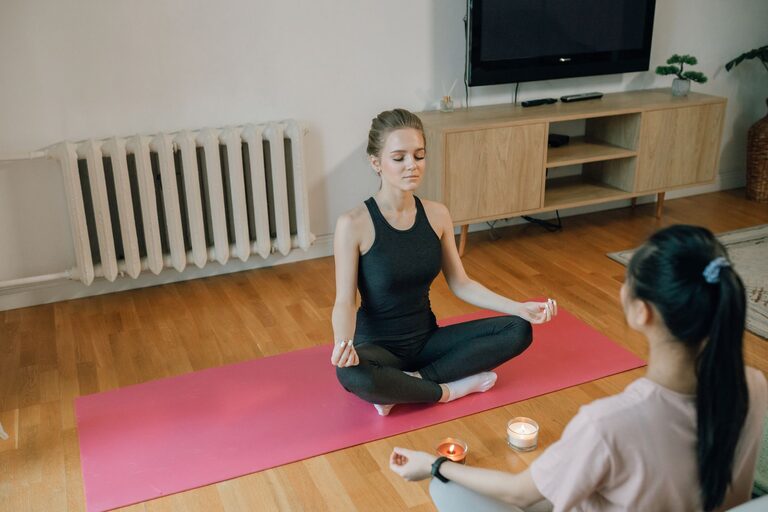
Taking mindful breathing breaks is a simple yet powerful way to bring calm and clarity into your daily routine. Whether you’re working at your desk, managing household tasks, or just need a moment to reset, mindful breathing can help reduce stress, improve concentration, and promote a sense of well-being.
If you’re new to mindful breathing, this guide offers beginner-friendly tips to help you get started and make the most of your breaks. Let’s explore what mindful breathing is, why it’s beneficial, and how to practice it effectively.
What Is Mindful Breathing?
Mindful breathing is the practice of paying close attention to your breath without trying to change it. This means noticing the natural rhythm of your inhales and exhales, the sensations in your body, and how your breath flows in and out.
Unlike deep breathing exercises that focus on altering your breath, mindful breathing encourages gentle awareness and acceptance. It anchors your mind in the present moment, helping you let go of distractions and worries.
Benefits of Mindful Breathing Breaks
Taking short mindful breathing breaks throughout your day offers several advantages:
– Reduces Stress: Slows your heart rate and lowers cortisol levels, helping you feel calmer.
– Improves Focus: Pauses racing thoughts and refreshes your mental clarity.
– Enhances Emotional Balance: Cultivates greater control over your reactions.
– Supports Physical Health: Relieves muscle tension and promotes relaxation.
– Boosts Energy: Helps combat fatigue by increasing oxygen flow.
How to Prepare for a Mindful Breathing Break
Before you begin your mindful breathing break, consider these steps to create a comfortable environment:
- **Find a Quiet Spot:** Choose a place where you won’t be disturbed.
- **Sit Comfortably:** Use a chair or cushion, keeping your back straight but relaxed.
- **Set a Timer:** Start with 3 to 5 minutes to build consistency without pressure.
- **Turn Off Distractions:** Silence or put away devices that might interrupt you.
Beginner Tips for Practicing Mindful Breathing
1. Start With Simple Observation
Begin by simply observing your breath. Notice where you feel it most — in your nostrils, chest, or belly. Don’t try to change how you breathe; just watch it as if you were a curious observer.
2. Use a Breath Counting Technique
If your mind wanders, gently bring it back by silently counting each breath cycle:
– Inhale (count 1)
– Exhale (count 2)
– Continue up to 5, then start over at 1
This helps anchor your focus without frustration.
3. Try the 4-4-4 Technique
For a slightly active approach, breathe in for 4 seconds, hold for 4 seconds, and breathe out for 4 seconds. Adjust timing as needed to stay comfortable.
4. Scan Your Body While Breathing
Add a body scan by methodically noticing areas of tension or relaxation as you breathe. This increases body awareness and promotes deeper relaxation.
5. Practice Regularly
Consistency is key. Aim to take mindful breathing breaks at least twice a day — morning and afternoon. Over time, you may find it easier to stay present and calm.
Common Challenges and Solutions
– Restless Mind: It’s normal for thoughts to come and go. When it happens, kindly redirect your attention to your breath.
– Physical Discomfort: Adjust your seating or try lying down if sitting is uncomfortable.
– Time Constraints: Even 30 seconds of mindful breathing can offer benefits if you’re short on time.
Incorporating Mindful Breathing Into Your Day
Here are some practical ways to add mindful breathing breaks into your routine:
– Before Meals: Take a few breaths before eating to slow down and enjoy your meal.
– During Work Breaks: Step away from your desk for a moment of calm.
– When Feeling Overwhelmed: Use breathing to reset your emotions.
– Before Sleep: Helps ease tension and prepare your body for rest.
Recommended Resources for Beginners
If you want more guidance, consider these resources:
– Guided Meditation Apps: Many apps offer free mindful breathing exercises.
– YouTube Tutorials: Search for beginner-friendly mindful breathing videos.
– Books: Look for books on mindfulness or breath awareness.
– Local Classes: Yoga or meditation groups often teach breathing techniques.
Final Thoughts
Mindful breathing breaks are accessible, effective tools for improving mental and physical well-being. As a beginner, be patient with yourself and enjoy the process of learning to pause and connect with your breath. With regular practice, these brief moments of awareness can bring significant benefits to your daily life.
Why not try your first mindful breathing break right now? Sit comfortably, close your eyes, and simply notice your breath for a few minutes. You might be surprised by how refreshing this small practice can be!